
Description
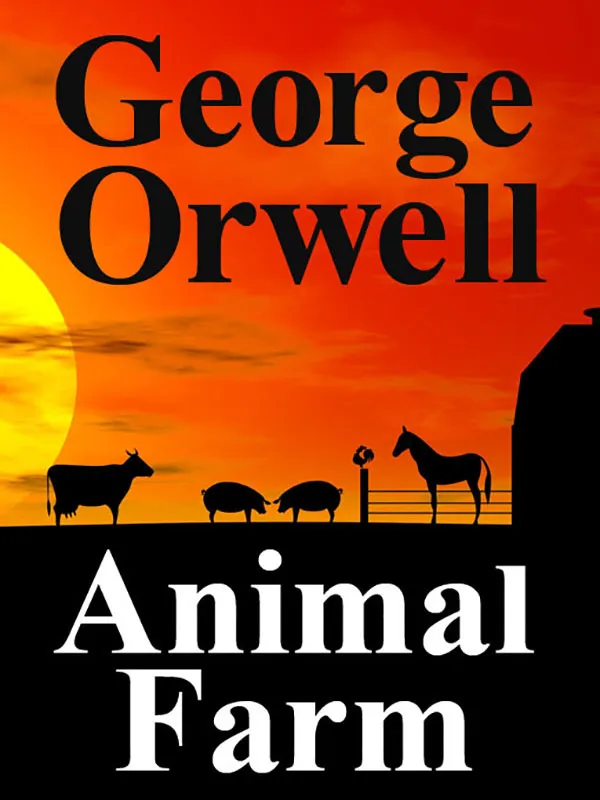
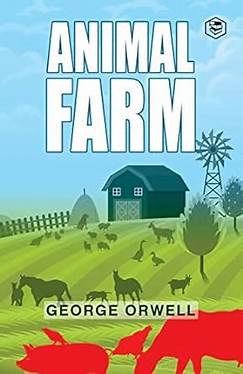
George Orwell’s *Animal Farm* is a satirical allegorical novella first published in 1945. The story unfolds on a farm where the animals, led by pigs, revolt against their human farmer, Mr. Jones, in hopes of establishing a society based on equality, freedom, and happiness. However, the rebellion ultimately leads to a new form of oppression, as the pigs, particularly Napoleon, become indistinguishable from the humans they replaced, highlighting the betrayal of revolutionary ideals.
Themes and Allegory
*Animal Farm* serves as an allegory for the Russian Revolution of 1917 and the subsequent rise of Stalinism. Orwell critiques the corrupting influence of power and the ways in which revolutionary ideals can be subverted. The pigs symbolize key figures in the revolution, such as Lenin and Stalin, while other animals represent different social classes and groups within society. The novella illustrates how the initial vision of a fair and just society deteriorates into a dictatorship, as the pigs manipulate language and propaganda to maintain control over the other animals.
Historical Context
Orwell wrote *Animal Farm* during World War II, a time when the Soviet Union was viewed favorably by many in the West due to its alliance against Nazi Germany. This context made it difficult for Orwell to find a publisher willing to risk offending Soviet sensibilities. Despite initial rejections, the book became a bestseller upon its release, resonating with readers who recognized its critique of totalitarianism and the betrayal of socialist ideals.
Reception and Legacy
*Animal Farm* is regarded as one of Orwell’s most significant works and is widely studied for its political insights. It has been recognized as a classic of English literature, appearing on numerous lists of the best novels of the 20th century. The novella continues to be relevant, serving as a cautionary tale about the dangers of power and the fragility of freedom.





Reviews
There are no reviews yet.